PPE Safety Guide for Construction Workers
Construction sites are among the most dangerous workplaces in the UK. Workers face daily risks from falling objects, sharp materials, heavy machinery, electrical hazards, dust exposure, slips, trips, and dangerous working conditions. Without proper protection, these risks can lead to serious injuries, long-term health problems, and even fatal accidents. Parents often search online about workplace safety because they want reassurance that loved ones working in construction environments are protected from accidents and unsafe conditions. Proper PPE safety procedures help reduce workplace injuries and create safer environments for workers and contractors.
Personal Protective Equipment plays a major role in workplace protection across the construction industry. Construction businesses that follow proper PPE safety standards often experience fewer accidents, stronger legal compliance, and improved worker confidence. Professional health and safety consultancy services can help businesses improve PPE safety standards and workplace compliance. This guide explains everything construction workers and employers need to know about PPE safety, including legal requirements, common equipment, maintenance procedures, training, and accident prevention methods.
What Is PPE Safety?
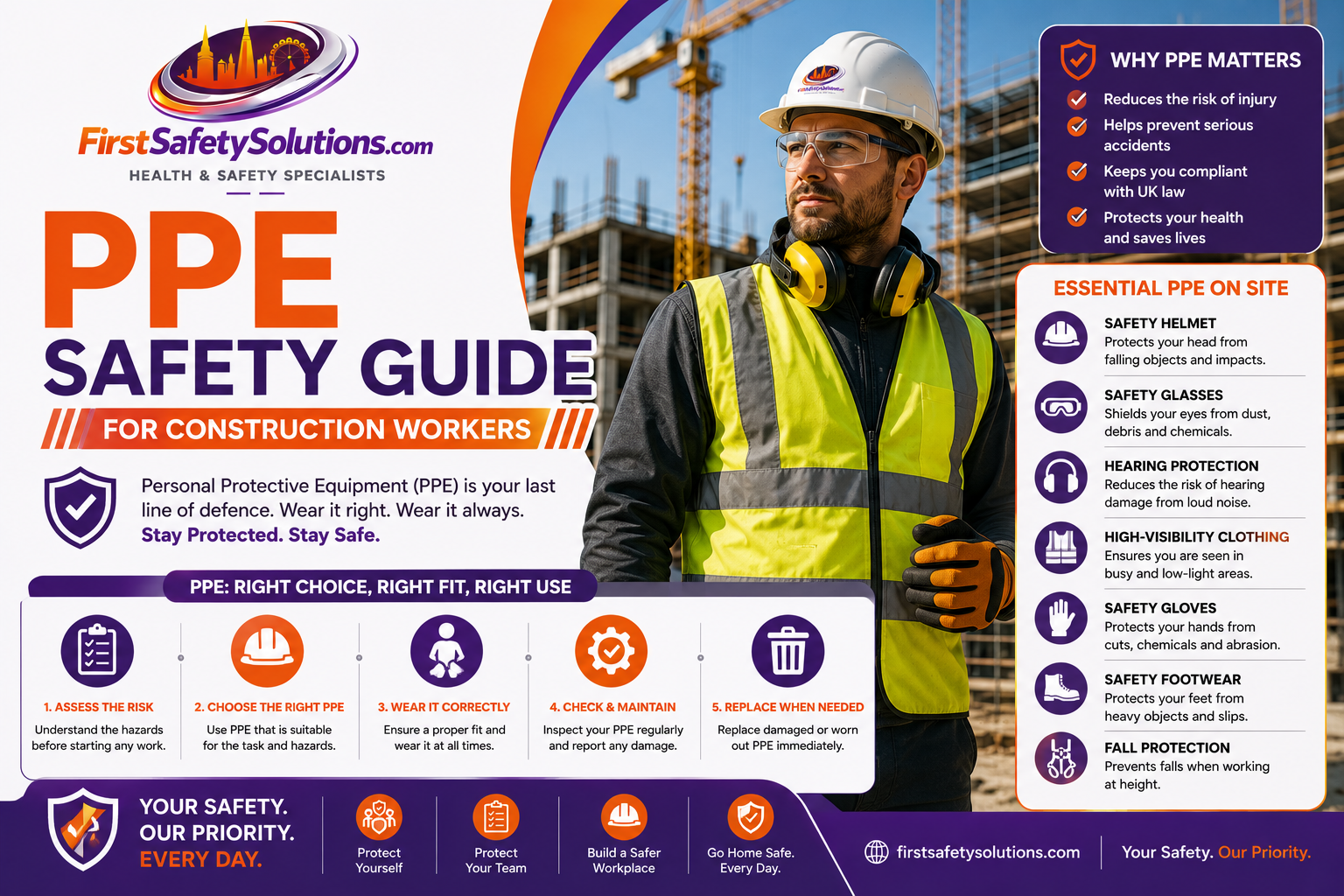
PPE safety refers to the proper use of Personal Protective Equipment to reduce workplace injury risks. PPE includes equipment designed to protect workers from hazards that cannot be completely removed from the workplace.
Common PPE used in construction includes:
- Hard hats
- Safety boots
- Gloves
- Eye protection
- Ear protection
- High-visibility clothing
- Respiratory protection
- Fall arrest harnesses
Good PPE safety procedures help reduce the impact of workplace hazards and improve worker protection.
Why PPE Safety Is Important
Construction work involves many dangerous activities.
Workers may face risks such as:
- Falling objects
- Flying debris
- Heavy machinery
- Electrical hazards
- Dust inhalation
- Loud noise
- Chemical exposure
- Sharp materials
Without proper PPE safety measures, even small accidents can result in serious injuries. Parents often worry about family members working in construction because workplace injuries can affect health, income, and future careers.
Businesses that invest in PPE safety usually experience the following:
- Fewer accidents
- Better employee confidence
- Improved productivity
- Stronger legal compliance
- Reduced financial losses
UK PPE Regulations for Construction Workers
UK employers have legal responsibilities to provide suitable PPE where workplace risks cannot be eliminated.
The Personal Protective Equipment at Work Regulations require employers to do the following:
- Provide suitable PPE
- Ensure proper fitting
- Train workers correctly
- Maintain equipment
- Replace damaged PPE
Failure to follow PPE safety regulations may result in:
- Legal penalties
- Compensation claims
- Workplace injuries
- Project delays
- Reputation damage
Businesses should also follow official guidance from the Health and Safety Executive (HSE) to improve workplace safety standards.
Hard Hat Safety
Hard hats are one of the most important pieces of PPE on construction sites.
They help protect workers from:
- Falling objects
- Head injuries
- Impact hazards
Workers should:
- Wear hard hats correctly
- Inspect helmets regularly
- Replace damaged helmets
- Avoid modifying hard hats
Good PPE safety procedures require regular inspections to ensure equipment remains effective.
Safety Footwear Protection
Construction workers often work around sharp objects, heavy materials, and uneven surfaces.
Safety boots help protect workers from:
- Falling materials
- Sharp objects
- Slips and trips
- Crush injuries
Workers should ensure footwear:
- Fits properly
- Has strong grip
- Remains undamaged
- Meets safety standards
Proper PPE safety includes maintaining suitable footwear for workplace conditions.
Importance of High-Visibility Clothing
Construction sites often contain moving vehicles and machinery. High-visibility clothing helps workers remain visible in dangerous environments.
High-visibility PPE may include:
- Jackets
- Vests
- Trousers
Good visibility reduces accident risks, especially in low-light conditions or busy work areas.
Eye Protection and PPE Safety
Construction activities can expose workers to flying debris, dust, chemicals, and sparks. Eye injuries can become serious very quickly.
Eye protection may include:
- Safety goggles
- Face shields
- Protective glasses
Workers should use suitable eye protection whenever hazards are present.
Hearing Protection for Construction Workers
Construction sites are often noisy environments. Long-term exposure to loud noise can cause permanent hearing damage.
Common noise sources include:
- Drilling equipment
- Power tools
- Heavy machinery
- Cutting equipment
Hearing protection may include:
- Ear defenders
- Earplugs
Employers should assess noise risks and provide suitable protection.
Respiratory Protection and Dust Safety
Construction workers may inhale dangerous dust and fumes during activities such as:
- Cutting
- Drilling
- Sanding
- Demolition
Hazardous dust exposure can cause long-term health conditions.
Respiratory PPE may include:
- Dust masks
- Respirators
- Air-filter systems
Strong PPE safety procedures help reduce breathing risks and improve worker health.
Hand Protection and Safety Gloves
Construction workers frequently handle sharp, rough, or hazardous materials.
Safety gloves help protect against:
- Cuts
- Burns
- Chemical exposure
- Abrasions
Different tasks require different glove types. Workers should always use suitable gloves for specific work activities.
Fall Protection Equipment
Working at height is one of the biggest risks in construction. Fall protection equipment helps reduce serious injuries.
Common fall protection PPE includes:
- Safety harnesses
- Lanyards
- Anchor systems
- Safety nets
Workers should receive proper training before using fall protection systems. Incorrect equipment use may fail to prevent injuries.
PPE Inspections and Maintenance
Damaged PPE may not provide proper protection.
Workers should inspect PPE regularly for:
- Cracks
- Tears
- Loose straps
- Worn materials
- Damage signs
Employers should replace damaged PPE immediately. Proper PPE safety management includes regular maintenance and inspections.
PPE Training for Construction Workers
Employee training is essential for workplace safety.
Workers should understand:
- How to wear PPE correctly
- When PPE is required
- Equipment limitations
- Maintenance procedures
- Emergency procedures
Well-trained workers are more likely to follow PPE safety rules correctly. Businesses investing in training often experience fewer accidents and better compliance.
Risk Assessments and PPE Safety
Risk assessments help identify workplace hazards and determine which PPE is required.
Construction risk assessments may cover:
- Falling objects
- Dust exposure
- Electrical risks
- Working at height
- Noise hazards
- Machinery risks
Strong PPE safety systems begin with effective risk assessments.
Common PPE Mistakes Workers Make
Many workplace injuries happen because workers ignore PPE safety procedures.
Common mistakes include:
- Wearing damaged equipment
- Using incorrect PPE
- Failing to adjust equipment properly
- Removing PPE during work
- Ignoring inspections
Employers should encourage workers to report damaged equipment immediately.
Why Employers Must Prioritise PPE Safety
Employers have legal responsibilities to protect workers from hazards.
Good PPE safety management helps businesses:
- Reduce workplace injuries
- Improve worker confidence
- Improve compliance
- Avoid legal penalties
- Protect business reputation
Companies with strong workplace safety systems are usually viewed as more professional and responsible.
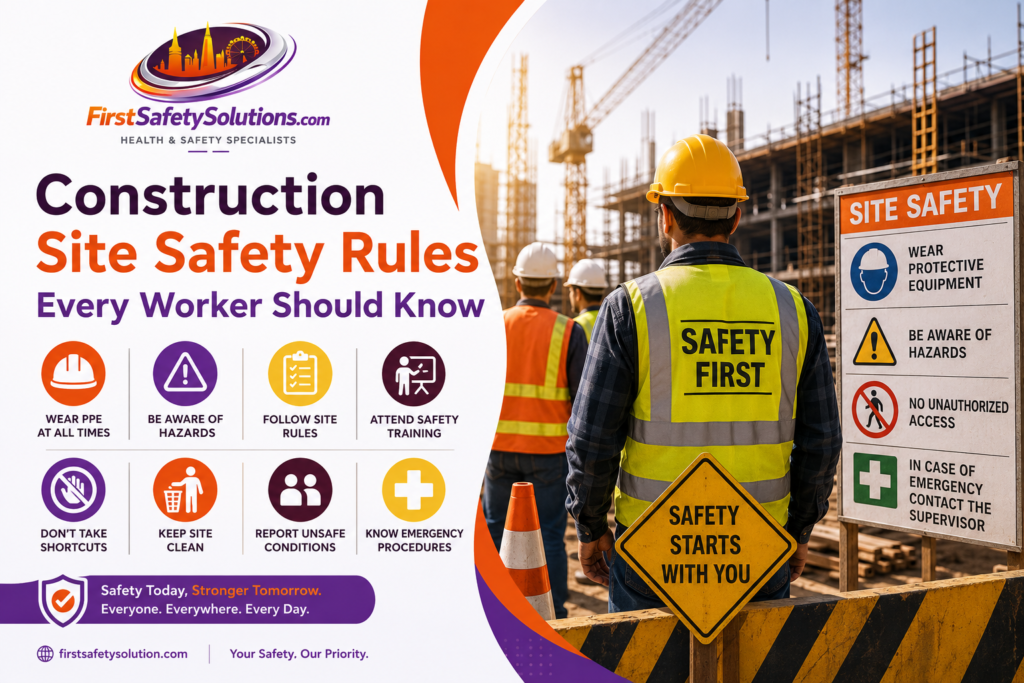
PPE Safety and Construction Site Rules
Construction sites should have clear PPE requirements for all workers and visitors.
Site rules may include:
- Mandatory hard hats
- Safety footwear requirements
- High-visibility clothing rules
- Restricted work areas
- Equipment inspection procedures
Clear rules improve workplace organization and accident prevention.
Emergency Situations and PPE Safety
Emergency situations can happen unexpectedly on construction sites.
Workers should understand:
- Emergency procedures
- First aid arrangements
- Evacuation routes
- Reporting systems
PPE safety plays an important role during emergencies by reducing injury severity.
Mental Health and Workplace Safety
Construction safety is not only about physical hazards.
Unsafe workplaces can also affect mental well-being.
Workers may experience:
- Stress
- Anxiety
- Fear of injury
- Reduced confidence
Safe working environments help workers feel protected and supported. Parents searching online about workplace safety often want reassurance that loved ones are protected physically and emotionally.
Safety Audits and PPE Compliance
Safety audits help businesses identify weaknesses in workplace protection systems.
Audits may review:
- PPE usage
- Equipment condition
- Employee behaviour
- Training records
- Site hazards
Regular audits improve PPE safety standards and workplace compliance.
Technology and Modern PPE Safety
Modern technology is improving workplace protection systems.
Examples include:
- Smart helmets
- Wearable safety devices
- Digital inspections
- Online safety training
- Sensor-based monitoring systems
Technology helps businesses improve PPE safety management and hazard detection.
The Financial Impact of Workplace Injuries
Poor workplace safety can become very expensive for businesses.
Construction injuries may lead to the following:
- Compensation claims
- Insurance increases
- Legal penalties
- Project delays
- Lost productivity
- Reputation damage
Investing in strong safety systems often saves businesses money in the long term.
Creating a Positive Safety Culture
A strong workplace safety culture encourages everyone to take responsibility for safety.
Positive workplace cultures encourage workers to
- Wear PPE correctly
- Report hazards
- Support colleagues
- Participate in training
- Follow procedures
Managers play an important role in encouraging safe behavior and maintaining safety standards.
How PPE Safety Protects Families
Construction accidents affect more than workers alone. Families are also impacted emotionally and financially when injuries happen. Parents often search online about PPE safety because they want reassurance that loved ones working in construction environments are properly protected. Businesses that improve safety help workers return home safely every day.
Maintaining PPE Safety Compliance
Workplace safety management should continue regularly.
Businesses should:
- Conduct inspections
- Replace damaged equipment
- Update risk assessments
- Provide refresher training
- Improve workplace systems
Continuous improvement helps businesses maintain safety compliance and reduce future risks.
Future Trends in PPE Safety
Workplace safety expectations continue to increase across industries.
Future trends may include:
- Smart PPE technology
- Digital compliance systems
- Advanced safety monitoring
- Improved wearable protection
- Better online training systems
Businesses that invest in safety are usually better prepared for future industry changes.
How First Safety Solution Can Help
First Safety Solution supports businesses needing help with it, including:
- Workplace risk assessments
- Construction safety inspections
- Safety audits
- Employee training
- Health and safety consultancy
- Compliance support
Professional guidance helps businesses improve workplace safety while reducing accident risks and maintaining legal compliance.
Conclusion
PPE safety is one of the most important parts of workplace protection for construction workers. Construction environments contain many risks, including falling objects, machinery hazards, dust exposure, and working at height dangers. Proper PPE, employee training, workplace inspections, and strong safety procedures help reduce accidents and create safer working environments for workers and contractors. Employers must take it seriously to improve compliance, protect workers, support families, and reduce long-term business risks.
🔗 Learn more or book at firstsafetysolution.com
📞 Call Now: 02034888123 | 07501170101
📍 Visit Us: Quantum Offices, Mountview House, 212 High Rd, Ilford IG1 1QB