Introduction to SMAS Accreditation Cost
For UK contractors, demonstrating strong health and safety management is essential for winning contracts and building trust with clients. Many organisations now require contractors to hold recognised health and safety accreditation before they can be considered for projects. One of the most widely recognised schemes is SMAS Accreditation.
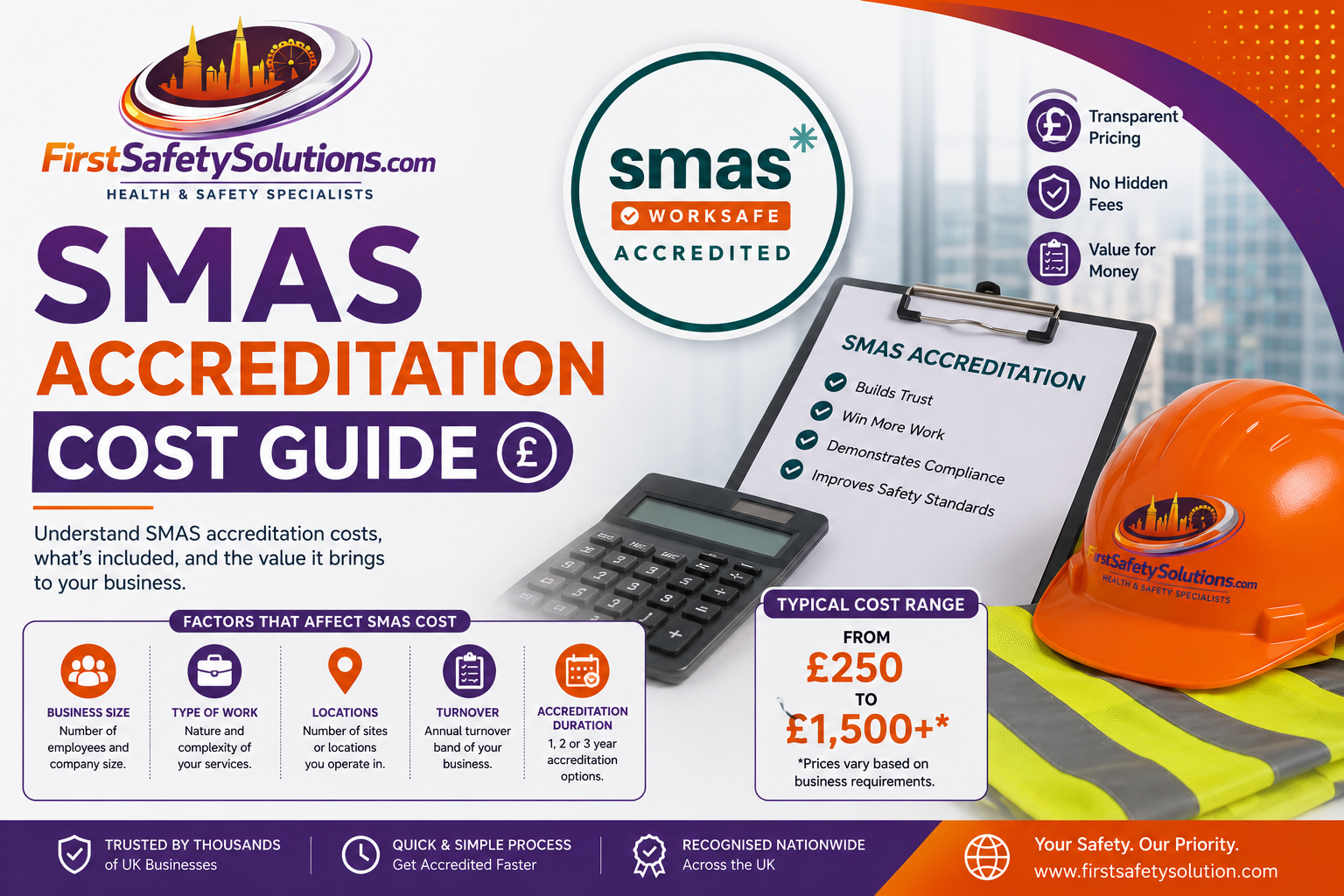
Before applying, many businesses want to understand the SMAS Accreditation Cost and what they will receive in return for their investment. The cost of accreditation can vary depending on several factors, including the size of your business, the type of work you carry out, the number of employees, and the level of support required during the application process. While some contractors view accreditation as an additional business expense, it is important to consider the long-term value it provides. SMAS Accreditation can help businesses demonstrate compliance, improve their reputation, access more tender opportunities, and satisfy client requirements.
For construction companies, subcontractors, sole traders, and other contractors operating in safety-focused industries, investing in recognised accreditation can create valuable commercial opportunities. Many clients prefer working with accredited businesses because it provides reassurance that appropriate health and safety systems are already in place. This complete guide explains everything you need to know about the SMAS Accreditation Cost, including what affects pricing, what is included, how the process works, and how businesses can prepare effectively to achieve approval.
If you want to explore professional accreditation support, you can visit the First Safety Solution accreditation hub:
https://firstsafetysolution.com/accreditation/
What Is SMAS Accreditation?
SMAS Accreditation is a recognized health and safety assessment scheme designed to evaluate whether contractors have suitable health and safety management systems in place. SMAS stands for Safety Management Advisory Services and is one of the recognized members of the Safety Schemes in Procurement (SSIP) framework.
Official websites:
SMAS: https://www.smasltd.com/
SSIP: https://www.ssip.org.uk/
The accreditation process assesses whether a business has appropriate procedures for managing workplace risks and maintaining compliance with UK health and safety standards.
The assessment usually reviews:
- Health and safety policies
- Risk assessments
- Method statements
- Employee training records
- Insurance documentation
- Accident reporting procedures
- Management responsibilities
- Safe working practices
Successfully completing the assessment allows contractors to demonstrate their commitment to workplace safety and professional standards. For many businesses, SMAS Accreditation is not only about meeting compliance requirements. It is also a way to strengthen credibility when applying for contracts.
Why Businesses Invest in SMAS Accreditation
Understanding the value behind the SMAS Accreditation Cost is important before making a decision. Accreditation provides benefits that can support business growth and improve operational standards.
Some of the main reasons businesses invest in SMAS Accreditation include:
- Meeting client requirements
- Improving tender opportunities
- Demonstrating professional standards
- Strengthening health and safety procedures
- Reducing procurement delays
- Building client confidence
- Improving workplace safety
Many principal contractors and organizations prefer working with suppliers who can demonstrate recognized health and safety competence. For smaller contractors, accreditation can also help compete with larger businesses by showing potential clients that they operate professionally and follow recognised procedures.
How Much Does SMAS Accreditation Cost?
The exact SMAS Accreditation Cost depends on several factors, and prices may vary depending on the requirements of your business and the assessment provider.
Generally, contractors should consider the following areas when calculating their overall investment:
| Cost Factor | Description |
|---|---|
| Application Fee | Cost of submitting the accreditation application |
| Assessment Fee | Cost of reviewing health and safety documentation |
| Renewal Fee | Cost associated with maintaining accreditation |
| Consultancy Support | Optional professional guidance and preparation |
| Documentation Updates | Cost of improving policies and procedures |
The accreditation itself is usually only one part of the total investment. Businesses may also need to consider the time required to prepare documents, review procedures, and make improvements before applying.
What Is Included in the SMAS Accreditation Cost?
The SMAS Accreditation Cost generally covers the assessment and review of your health and safety management systems.
The assessment process normally includes:
Health and Safety Documentation Review
Assessors review your existing documentation to confirm that your business has suitable systems in place.
This may include:
- Health and safety policy
- Risk assessments
- Method statements
- Training records
- Insurance certificates
Compliance Assessment
Your documentation is assessed against recognized health and safety standards. The purpose is to confirm that your organization has appropriate arrangements for managing workplace risks.
Accreditation Decision
Following assessment, your application will either be approved or additional information may be requested. If your business meets the required standards, accreditation is granted.
Factors That Affect SMAS Accreditation Cost
Several factors influence the final SMAS Accreditation Cost. Understanding these factors can help businesses prepare financially and avoid unexpected expenses.
Business Size and Number of Employees
The size of your organization can affect the overall cost of accreditation. A small contractor with a limited workforce may require less documentation compared with a larger company managing multiple teams and projects.
Larger businesses may need:
- More detailed policies
- Additional training records
- More risk assessments
- Greater documentation management
Type of Work Activities
The nature of your business activities can also influence the assessment requirements. For example, contractors involved in higher-risk activities may need more detailed evidence of their safety management systems.
Examples of higher-risk activities include:
- Construction work
- Working at height
- Groundworks
- Electrical work
- Plant operation
- Demolition activities
Businesses carrying out complex work may require additional preparation before applying.
Existing Health and Safety Documentation
The condition of your existing documentation can have a significant impact on your overall SMAS Accreditation Cost.
Businesses that already have:
- Updated policies
- Current risk assessments
- Complete training records
- Organised documentation
may require less preparation.
However, businesses with outdated or incomplete documents may need additional support to meet assessment requirements.
Need for Professional Support
Some businesses complete the accreditation process independently, while others choose to work with health and safety consultants.
Professional support can help with:
- Reviewing documentation
- Updating policies
- Preparing risk assessments
- Identifying compliance gaps
- Improving application quality
Although consultancy support adds to the initial SMAS Accreditation Cost, it can help reduce delays and improve the chances of successful approval.
Renewal Requirements and Ongoing Costs
SMAS Accreditation is not a one-time process. Businesses need to maintain their accreditation by continuing to meet health and safety standards.
Ongoing costs may include:
- Renewal fees
- Documentation reviews
- Policy updates
- Additional training
- Health and safety improvements
Maintaining compliance throughout the year can make renewal easier and reduce preparation time.
SMAS Accreditation Cost Comparison
The following table provides a general overview of potential cost areas businesses should consider.
| Area | Potential Requirement |
|---|---|
| Initial Application | Accreditation assessment and review |
| Documentation Preparation | Updating policies and procedures |
| Consultancy Support | Optional expert assistance |
| Training Improvements | Additional employee training if required |
| Renewal | Maintaining accreditation status |
The actual SMAS Accreditation Cost will depend on your business circumstances and the level of preparation required.
Is SMAS Accreditation Worth the Cost?
Many businesses ask whether the investment in accreditation provides enough value. For most contractors, the answer depends on their business goals and client requirements.
SMAS Accreditation can provide value by helping businesses:
- Qualify for more tenders
- Improve professional reputation
- Demonstrate compliance
- Build stronger client relationships
- Reduce repeated assessments
For contractors working with larger organizations, accreditation may become essential because many clients use it as part of their supplier approval process. The cost should therefore be viewed as an investment in business development, compliance, and long-term opportunities rather than simply an administrative expense.
Preparing Your Business Before Applying
Good preparation can help control your SMAS Accreditation Cost and improve your chances of successful approval.
Before applying, review:
- Health and safety policies
- Risk assessments
- Method statements
- Employee training records
- Insurance documents
- Accident reporting procedures
Businesses that organize their documentation before applying often experience a smoother assessment process.
Ways to Reduce SMAS Accreditation Cost
Although achieving accreditation requires investment, businesses can take several steps to manage their SMAS Accreditation Cost effectively. Good preparation, organised documentation, and a proactive approach to health and safety can help prevent unnecessary expenses. Many contractors spend more than expected because they begin the application process without reviewing their existing systems. Preparing in advance allows businesses to identify gaps and address issues before submitting their application.
Review Existing Documentation Before Applying
One of the easiest ways to control costs is by reviewing your current health and safety documents before starting the application.
Check that your documentation includes:
- A current health and safety policy
- Updated risk assessments
- Relevant method statements
- Employee training records
- Insurance certificates
- Accident reporting procedures
If your documents are already accurate and up to date, you may reduce the need for additional preparation support.
Maintain Regular Health and Safety Reviews
Businesses that regularly review their health and safety procedures often experience a smoother accreditation process.
Regular reviews help ensure that:
- Policies remain current
- Risks are properly controlled
- Employees understand safety responsibilities
- Documentation remains organised
Waiting until accreditation is due can result in rushed updates and additional costs.
Keep Employee Training Records Updated
Training records are an important part of the assessment process.
Ensure you maintain evidence of:
- Health and safety training
- Toolbox talks
- Competency assessments
- Equipment training
- Refresher courses
Keeping records throughout the year avoids the need to recreate missing information when applying.
Organise Your Documents
Poor document organization can create unnecessary delays.
Create clear folders for:
- Policies
- Risk assessments
- Method statements
- Insurance
- Training certificates
- Inspection records
A well-organized system helps assessors review your application efficiently and reduces administration time.
SMAS Accreditation Cost Compared with Other SSIP Schemes
Many contractors compare the SMAS Accreditation Cost with other recognized SSIP schemes such as CHAS Accreditation.
Both SMAS and CHAS provide health and safety assessments designed to demonstrate contractor competence.
| Feature | SMAS Accreditation | CHAS Accreditation |
|---|---|---|
| SSIP Recognition | Yes | Yes |
| Health and Safety Assessment | Yes | Yes |
| Suitable for Small Businesses | Yes | Yes |
| Supports Tender Applications | Yes | Yes |
| Reviews Safety Documentation | Yes | Yes |
| Helps Demonstrate Compliance | Yes | Yes |
The right choice depends on your business requirements and client expectations. Some contractors choose SMAS because it meets specific client requirements, while others select CHAS based on industry preference.
You can learn more about different accreditation options here:
SMAS Accreditation: https://firstsafetysolution.com/accreditation/ssip-smas/
CHAS Accreditation: https://firstsafetysolution.com/accreditation/chas-accreditation-uk/
Accreditation Hub: https://firstsafetysolution.com/accreditation/
Common Mistakes That Increase SMAS Accreditation Cost
While the accreditation process is straightforward, mistakes can increase the time and money required to complete the assessment. Understanding these common issues can help businesses avoid unnecessary expenses.
Submitting Incomplete Information
Missing documents are one of the most common reasons applications experience delays. Before submitting your application, check that you have provided all required information.
Missing evidence may result in:
- Additional assessor requests
- Longer processing times
- Extra preparation work
Using Outdated Policies
Health and safety policies should reflect your current business activities. Outdated documents may need significant updates before approval. Regular reviews help ensure your policies remain suitable.
Relying on Generic Templates
Generic documents often fail to demonstrate how your business actually manages risks.
Your documentation should reflect:
- Your industry
- Your work activities
- Your employees
- Your workplace risks
Tailored documents provide stronger evidence during assessment.
Poor Record Management
Poor record keeping can increase preparation time and create unnecessary administration.
Businesses should maintain organized records for:
- Training
- Inspections
- Risk assessments
- Safety meetings
- Accidents and incidents
Effective record management supports both accreditation and everyday compliance.
How First Safety Solution Can Help Reduce the Accreditation Process Challenges
Preparing for SMAS Accreditation requires accurate documentation and a clear understanding of health and safety requirements. Many businesses choose professional support to make the process easier and improve their chances of approval. First Safety Solution provides expert guidance to contractors throughout the accreditation process.
Support includes:
- Health and safety documentation reviews
- Policy preparation
- Risk assessment support
- Method statement guidance
- Compliance checks
- Accreditation preparation
- Ongoing health and safety consultancy
Professional assistance can help businesses avoid common mistakes, reduce delays, and manage their SMAS Accreditation Cost more effectively. By preparing the correct documentation and addressing compliance gaps early, contractors can approach the assessment with greater confidence.
Frequently Asked Questions
How much does SMAS Accreditation Cost?
The SMAS Accreditation Cost varies depending on factors such as business size, documentation requirements, work activities, and whether professional support is required. Businesses should consider both the assessment fee and any preparation costs.
Is SMAS Accreditation worth the investment?
Yes. For many contractors, SMAS Accreditation provides valuable benefits by improving credibility, supporting tender applications, and demonstrating commitment to health and safety standards.
Why does the cost vary between businesses?
The cost varies because every business has different requirements. A small contractor with existing documentation may require less preparation compared with a larger organisation with more complex operations.
Can I complete SMAS Accreditation without professional help?
Yes, businesses can apply independently if they have suitable health and safety documentation. However, professional support can help identify gaps and improve the application process.
Does SMAS Accreditation need to be renewed?
Yes. Accreditation requires renewal to ensure businesses continue meeting recognised health and safety standards.
Can sole traders apply for SMAS Accreditation?
Yes. Sole traders can apply if they can demonstrate suitable health and safety arrangements for their work activities.
What documents affect the SMAS Accreditation Cost?
Important documents include health and safety policies, risk assessments, method statements, insurance certificates, training records, and accident reporting procedures.
How can I reduce my SMAS Accreditation Cost?
Businesses can control costs by preparing documents early, keeping records updated, reviewing policies regularly, and ensuring all required information is ready before applying.
Conclusion
Understanding the SMAS Accreditation Cost is an important step for any UK contractor considering accreditation. While the investment will vary depending on business size, documentation quality, and support requirements, the long-term benefits can make accreditation highly valuable. SMAS Accreditation helps businesses demonstrate strong health and safety management, improve client confidence, meet procurement requirements, and access more contract opportunities. By preparing documentation carefully, maintaining compliance throughout the year, and avoiding common mistakes, businesses can manage costs effectively.
For contractors looking to grow, accreditation is more than a certificate. It is a way to demonstrate professionalism, improve workplace safety, and build stronger relationships with clients. If you need help preparing your documents, reviewing your health and safety systems, or understanding your SMAS Accreditation Cost, First Safety Solution can provide expert support to guide your business through the process.