What Is SSIP Accreditation?
Many businesses across the UK hear about SSIP accreditation when applying for contracts, construction projects, or contractor work. However, many company owners and workers still do not fully understand what it means or why it matters. In industries such as construction, electrical services, maintenance, engineering, and facilities management, health and safety standards play a major role in winning projects and building client trust. Companies that can prove they follow proper workplace safety procedures are usually seen as more professional and reliable. Many contractors apply for SSIP accreditation to improve compliance and win more business opportunities.
Parents also search online for information about safer workplaces because they want reassurance that family members working in high-risk industries are protected from accidents and unsafe conditions. Businesses that follow recognized safety standards often create safer environments where workers feel more secure and confident. Professional health and safety consultancy services can help businesses improve compliance, organize safety documents, and prepare for contractor approval schemes. This guide explains everything UK businesses need to know about SSIP accreditation, including how it works, why companies need it, and how it improves workplace safety and business opportunities.
Understanding the Meaning of SSIP
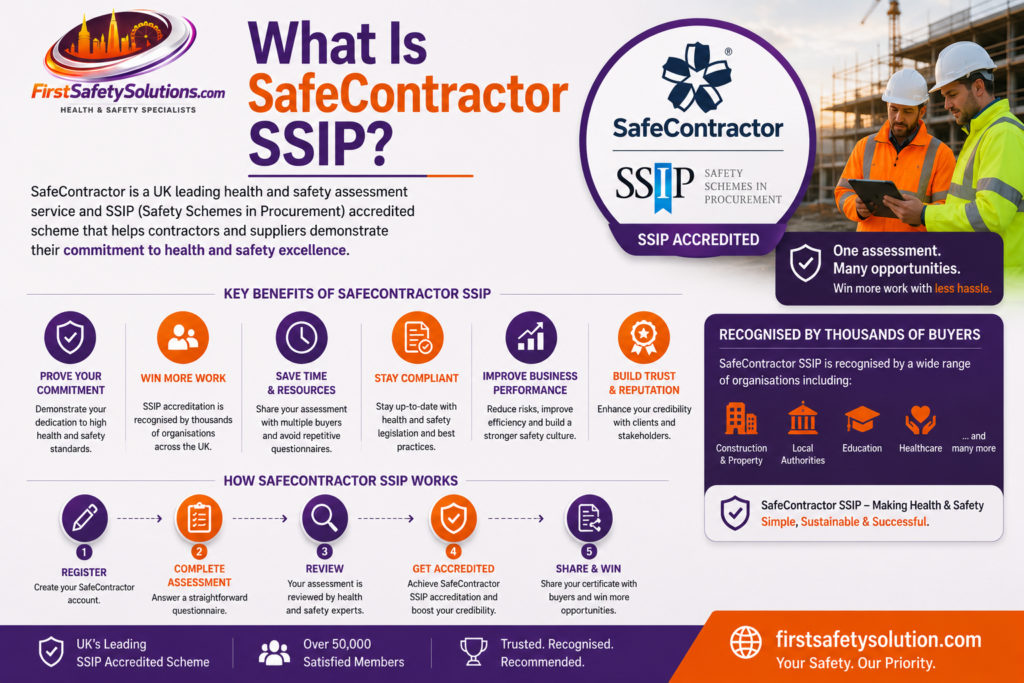
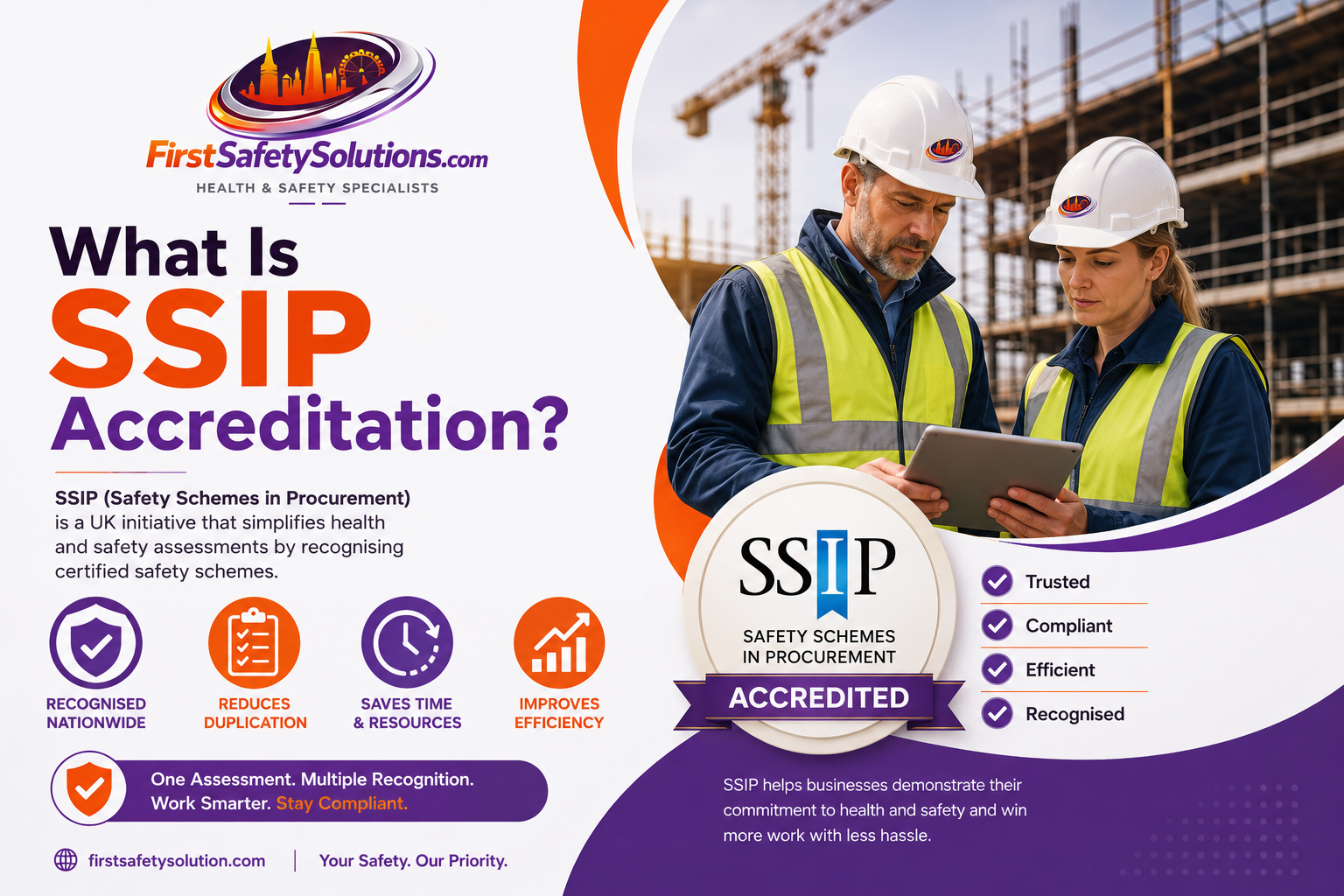
SSIP stands for Safety Schemes in Procurement. It is a recognized health and safety assessment system used across the UK to help businesses prove they meet required workplace safety standards. The main purpose of the scheme is to reduce duplication during contractor assessments. Instead of completing multiple health and safety checks for different clients, businesses can complete one recognized assessment that demonstrates compliance with industry standards. In simple terms, the certification shows that a company takes workplace safety seriously and follows proper health and safety procedures.
Many contractors and suppliers need this approval before they can work with the following:
- Construction companies
- Local authorities
- Government organisations
- Housing associations
- Large contractors
- Facilities management companies
The assessment process reviews whether businesses have suitable systems in place to protect employees, contractors, visitors, and the public.
Why Workplace Safety Standards Matter
Health and safety is one of the most important responsibilities for any business operating in the UK.
Unsafe workplaces can lead to:
- Serious injuries
- Long-term health problems
- Fatal accidents
- Financial losses
- Legal penalties
- Project delays
- Employee stress
- Reputation damage
In high-risk industries such as construction, even small mistakes can have serious consequences.
Parents often search online about workplace safety because construction and contractor industries involve risks such as working at heights, electrical hazards, heavy machinery, and dangerous materials. Families want reassurance that loved ones are working in environments where safety procedures are properly managed. Businesses that follow strong safety standards are more likely to reduce accidents, improve employee well-being, and create positive working environments. Proper SSIP accreditation also helps businesses demonstrate their commitment to workplace safety. According to the Health and Safety Executive (HSE), employers are legally responsible for protecting workers and maintaining safe working conditions.
How the Assessment Process Works
The contractor approval process involves reviewing a company’s health and safety systems and documentation.
Businesses usually need to provide information such as the following:
- Health and safety policy
- Risk assessments
- Training records
- Insurance certificates
- Accident reporting procedures
- Safe working methods
- Employee responsibilities
- Fire safety arrangements
- Equipment maintenance records
Assessors review these documents to ensure the company follows recognized safety standards. The SSIP accreditation process helps businesses organise health and safety systems more effectively. The process may seem complicated for businesses that do not already have organized documentation or safety systems in place. This is why many businesses seek professional consultancy support to help prepare the required information correctly.
Industries That Commonly Need Contractor Safety Approval
Many industries require strong health and safety systems before companies can secure contracts.
Common industries include:
- Construction
- Roofing
- Electrical services
- Plumbing
- Engineering
- Cleaning services
- Facilities management
- Civil engineering
- Maintenance services
- Demolition work
Construction companies especially benefit because many clients will only work with contractors that can demonstrate proper safety compliance.
Benefits of Contractor Safety Certification
There are many reasons businesses invest in recognized workplace safety approval schemes. Many businesses choose SSIP accreditation because it improves trust during procurement processes.
Improved Contract Opportunities
Many clients require contractors to demonstrate compliance before awarding work. Businesses with recognized safety certification often have better chances of securing projects because clients trust companies that follow proper procedures.
Better Business Reputation
A company that invests in safety standards usually appears more professional and responsible. Strong safety systems help businesses build trust with clients, contractors, and employees.
Reduced Workplace Accidents
The assessment process encourages businesses to improve safety management systems and reduce hazards. Fewer accidents help protect workers while reducing financial losses.
Stronger Compliance
Businesses with organized safety procedures are more likely to meet UK legal requirements. This reduces the risk of fines, penalties, and legal problems.
Increased Employee Confidence
Workers feel safer when businesses take health and safety seriously. Confident employees are usually more productive and motivated.
Easier Procurement Processes
Many large organizations use contractor assessments before approving suppliers. Recognized certification simplifies this process because businesses already meet required standards.
The Importance of Risk Assessments
Risk assessments are a major part of workplace safety compliance. A risk assessment identifies hazards and explains how risks will be controlled.
Construction and contractor risk assessments may cover the following:
- Working at height
- Electrical hazards
- Manual handling
- Machinery use
- Slips and trips
- Fire risks
- Hazardous substances
- Noise exposure
Employers must ensure workers understand the risks related to their jobs. Good risk assessments help businesses prevent accidents before they happen.
Why Construction Companies Need Strong Safety Systems
Construction is one of the highest-risk industries in the UK.
Workers may face dangers such as the following:
- Falls from height
- Falling objects
- Heavy equipment accidents
- Electrical incidents
- Structural collapse
- Dust exposure
- Unsafe scaffolding
Because construction work involves many hazards, clients often require contractors to demonstrate strong workplace safety management before allowing site access. Better safety systems reduce accidents and improve project efficiency.
Health and Safety Policies Explained
Health and safety policies explain how businesses manage workplace safety responsibilities.
A good policy may include:
- Employee responsibilities
- Emergency procedures
- PPE requirements
- Accident reporting systems
- Fire safety rules
- Risk management procedures
Safety policies help employees understand expectations and workplace procedures clearly. Businesses without proper policies may struggle during contractor assessments.
Employee Training and Workplace Safety
Training is essential for maintaining safe working environments.
Employees should understand:
- Workplace hazards
- Emergency procedures
- Safe equipment use
- PPE requirements
- Fire safety
- Manual handling
- Working at height
Training improves confidence and helps reduce mistakes.
Common workplace safety courses include:
- Manual handling
- Fire awareness
- First aid
- CSCS card training
- Working at height
- Site safety awareness
Well-trained workers are more likely to follow safe working practices consistently.
Why Clients Prefer Approved Contractors
Clients want reassurance that projects will be completed safely and professionally. Businesses with SSIP accreditation are often viewed as lower-risk contractors.
Businesses with recognized contractor approval are often seen as
- Safer to work with
- More organised
- Better managed
- More reliable
- Legally compliant
This improves trust during procurement processes. Clients also want to reduce risks related to accidents, delays, and legal issues.
Common Challenges Businesses Face
Some businesses struggle during the assessment process because they lack proper documentation or safety systems.
Common problems include:
- Missing policies
- Incomplete risk assessments
- Poor training records
- Lack of compliance knowledge
- Weak safety procedures
These problems can delay contractor approval applications. Professional consultancy support helps businesses organise documents and improve compliance more efficiently.
The Role of PPE in Workplace Safety
Personal protective equipment helps reduce injury risks on construction and contractor sites.
Common PPE includes:
- Hard hats
- Safety boots
- Gloves
- Eye protection
- Ear defenders
- Respiratory masks
- High-visibility clothing
Employers should provide suitable PPE and ensure workers understand how to use it properly. Workers should inspect PPE regularly for damage.
Why Safety Audits Matter
Safety audits help businesses identify weaknesses in workplace safety systems.
Audits may review:
- Workplace conditions
- Employee behaviour
- Documentation
- Equipment maintenance
- Fire safety
- Emergency procedures
- PPE compliance
Regular audits help businesses maintain compliance standards and improve workplace safety performance.
Fire Safety Responsibilities
Fire safety is another important part of workplace compliance. Businesses should ensure employees understand:
- Fire evacuation procedures
- Emergency exits
- Fire extinguisher locations
- Assembly points
- Reporting procedures
Construction sites often involve additional fire risks due to electrical equipment, fuel, and hot work activities. Proper fire safety planning reduces emergency risks significantly.
Manual Handling and Injury Prevention
Manual handling injuries are common in construction and contractor industries. Poor lifting techniques can cause the following:
- Back injuries
- Muscle strain
- Joint damage
- Long-term pain
Employers should provide manual handling training and encourage safe lifting practices.
Workers should:
- Lift with their legs
- Avoid twisting
- Use lifting aids
- Ask for assistance when necessary
Mental Health and Worker Wellbeing
Workplace safety is not only about physical hazards. Mental health also affects worker wellbeing and productivity. Construction and contractor workers may experience the following:
- Stress
- Fatigue
- Long working hours
- Financial pressure
- Anxiety
Businesses should support employee wellbeing by encouraging communication, managing workloads, and promoting healthy working environments. Workers who feel supported are often safer and more productive.
Technology and Modern Compliance Systems
Modern businesses are increasingly using technology to improve workplace safety management.
Examples include:
- Digital inspections
- Online safety training
- Cloud-based documents
- Safety management software
- Mobile reporting systems
Technology helps businesses organise compliance systems and manage SSIP accreditation requirements more effectively while improving communication.
Why Small Businesses Should Invest in Safety Compliance
Some smaller businesses think SSIP accreditation and workplace safety approval are only necessary for large companies. However, small contractors can also benefit significantly. Strong safety systems and SSIP accreditation help small businesses improve credibility, compliance, and contract opportunities.
- Compete for larger contracts
- Improve reputation
- Build trust
- Reduce accidents
- Improve organisation
Smaller businesses with good compliance systems and SSIP accreditation often appear more professional and reliable to clients.
Creating a Positive Safety Culture
A strong safety culture means everyone in the business takes workplace safety seriously.
Positive safety cultures encourage workers to:
- Report hazards
- Follow procedures
- Use PPE properly
- Support colleagues
- Participate in training
Managers play an important role in encouraging safe behavior and maintaining SSIP accreditation standards. When safety becomes part of everyday work, businesses usually experience fewer accidents, better teamwork, and improved compliance.
The Financial Impact of Poor Safety Management
Businesses without proper SSIP accreditation and strong safety systems may face serious financial consequences.
Poor workplace safety can lead to the following:
- Compensation claims
- Legal penalties
- Insurance increases
- Delayed projects
- Lost contracts
- Reputation damage
Investing in strong compliance systems and SSIP accreditation often saves businesses money in the long term.
How Workplace Safety Protects Families
Workplace accidents affect more than employees alone. Families are also impacted emotionally and financially when workers are injured. Parents often search online about safer working environments and SSIP accreditation standards because they care about loved ones working in high-risk industries. Businesses that improve workplace safety and maintain SSIP accreditation help workers return home safely every day.
Maintaining Compliance Over Time
Safety management and SSIP accreditation compliance should not stop after approval is achieved.
Businesses should regularly:
- Review policies
- Update risk assessments
- Conduct inspections
- Provide refresher training
- Improve procedures
- Monitor workplace hazards
Continuous improvement helps businesses maintain compliance and adapt to changing regulations.
Future Trends in Workplace Safety
Health and safety expectations and SSIP accreditation requirements continue to increase across industries.
Future trends may include:
- More digital compliance systems
- Greater focus on mental health
- Improved training technology
- Advanced safety monitoring devices
- Stronger environmental safety standards
Businesses that invest in workplace safety and SSIP accreditation are usually better prepared for future industry changes and compliance requirements.
How First Safety Solution Can Help
First Safety Solution supports businesses needing help with SSIP accreditation, workplace compliance, and contractor safety management, including:
- Contractor compliance preparation
- Workplace risk assessments
- Safety audits
- Employee training
- Construction safety support
- Health and safety consultancy
Professional guidance helps businesses improve workplace safety while increasing contract opportunities and legal compliance. Maintaining SSIP Accreditation requires businesses to review workplace safety systems regularly.
Conclusion
SSIP Accreditation helps UK businesses demonstrate strong workplace safety standards. Businesses with SSIP Accreditation are often more trusted by clients, contractors, and procurement teams. and improve contractor compliance. In industries such as construction, engineering, and maintenance, recognized safety approval systems are becoming increasingly important for winning contracts and building client trust. From risk assessments and safety policies to employee training and workplace inspections, strong compliance systems help businesses reduce accidents and create safer environments for workers and contractors. Investing in workplace safety is not only about legal requirements. It is also about protecting employees, supporting families, improving business reputation, and creating long-term growth opportunities.
📞 Call Now: 02034888123 | 07501170101
📍 Visit Us: Quantum Offices, Mountview House, 212 High Rd, Ilford IG1 1QB