Understanding Constructionline Accreditation
In the UK construction industry, trust and credibility are two of the biggest factors that influence whether a contractor wins new projects. Clients, local authorities, housing providers, and main contractors want confidence that the businesses they hire are professional, financially stable, and capable of completing work safely. This is where Constructionline Accreditation becomes valuable. For many contractors, subcontractors, and suppliers, getting recognised through Constructionline is a way to demonstrate that their business meets important standards and can be considered for construction-related opportunities.
Constructionline is one of the UK’s leading procurement and supplier verification services. It helps connect buyers with approved suppliers while reducing the amount of time organisations spend checking contractor information. Unlike some accreditations that focus only on one area, Constructionline looks at different aspects of a business, including company details, financial information, insurance, policies, and compliance requirements. For small contractors, achieving recognition through Constructionline can help improve visibility and create opportunities to work with larger organisations. For established companies, it can support supplier approval processes and strengthen their position when bidding for projects.
Understanding how Constructionline works, what is required, and how it can benefit your business is important before beginning the application process. This guide explains everything UK contractors need to know about Constructionline Accreditation, including membership levels, requirements, application steps, and the advantages it can bring to your organisation.
What Is Constructionline Accreditation and Why Does It Matter?
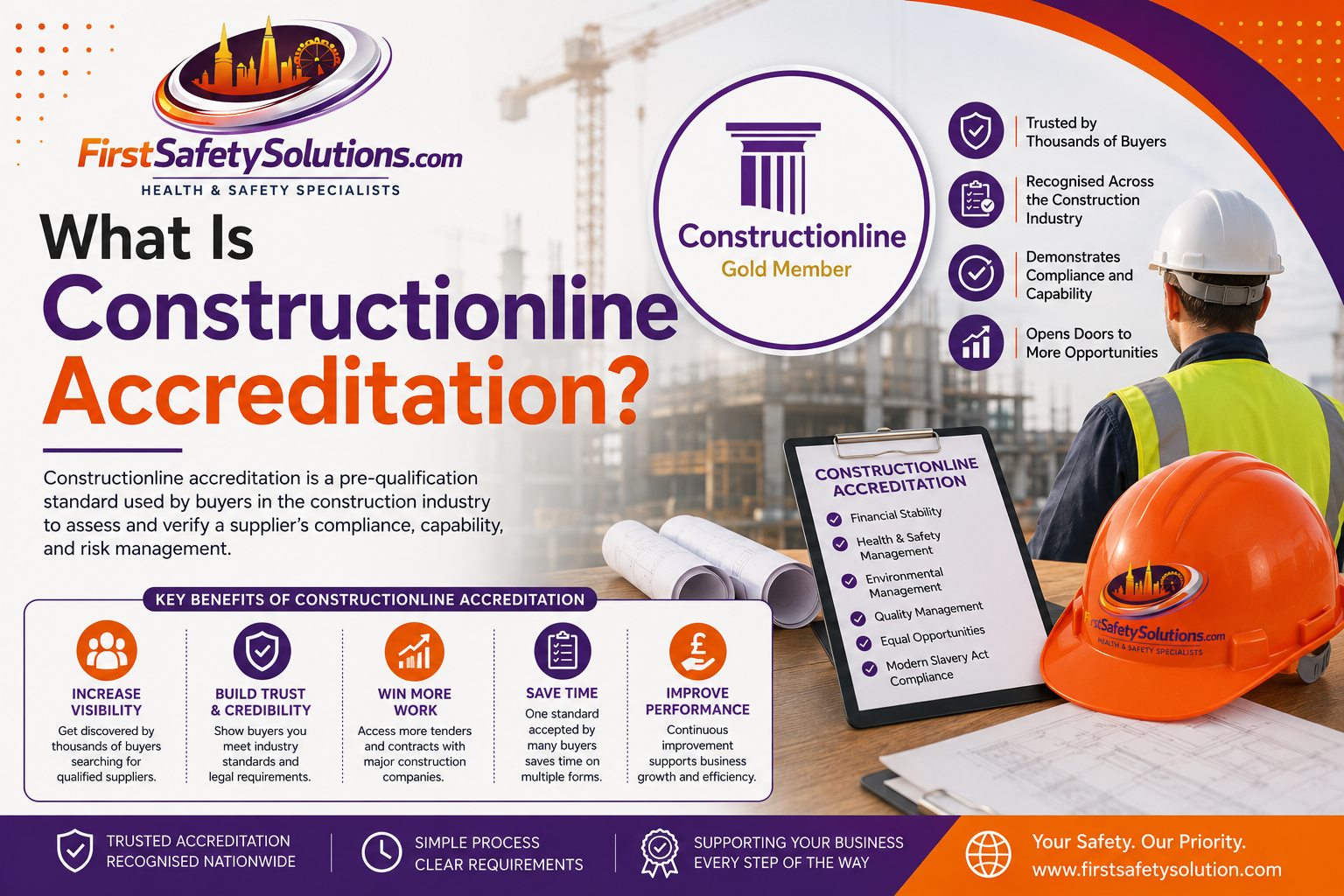
Constructionline Accreditation is a supplier verification scheme designed specifically for the construction industry. It helps buyers identify reliable and compliant suppliers by providing a central database of businesses that have undergone verification.
Official Constructionline website
The scheme is widely used by:
- Main contractors
- Local authorities
- Housing associations
- Government organisations
- Private sector companies
- Procurement teams
When a business becomes approved, it provides evidence that it has met specific requirements and has been assessed against recognized standards. For contractors, Constructionline Accreditation can act as a quality signal. It shows potential clients that the business takes compliance seriously and has completed a recognized verification process.
The assessment may consider areas such as the following:
- Company information
- Financial stability
- Insurance details
- Health and safety procedures
- Environmental policies
- Quality management systems
- Equality and diversity policies
However, it is important to understand that Constructionline is not a replacement for every type of certification. Many clients may still request additional accreditations, such as SSIP health and safety schemes, depending on their requirements.
Businesses looking for wider accreditation support can explore the following: https://firstsafetysolution.com/accreditation/
How Constructionline Supports UK Contractors
The construction sector is highly competitive. Many businesses have excellent technical skills, but finding opportunities can be challenging without recognized credentials. Constructionline helps bridge this gap by creating a trusted platform where buyers can find verified suppliers. For contractors, this means their business information can be accessed by organizations searching for suitable suppliers.
Some ways Constructionline supports contractors include the following:
- Improving business visibility
- Helping meet supplier requirements
- Supporting tender applications
- Reducing repeated supplier checks
- Demonstrating professionalism
- Increasing credibility with buyers
For example, a small construction company may have the experience and skills required for a large project but struggle to pass initial supplier checks. Having recognized verification can make the business more attractive during procurement. Constructionline Accreditation can therefore support business growth by helping contractors present themselves as reliable and prepared suppliers.
The Different Levels of Constructionline Membership
Constructionline offers different membership levels depending on the needs of a business and the requirements of potential clients.
The main levels include:
| Membership Level | Purpose |
|---|---|
| Bronze | Basic supplier verification |
| Silver | Includes additional health and safety verification |
| Gold | Provides advanced verification and compliance checks |
Each level provides different benefits depending on the type of work a business carries out.
Choosing the right level depends on:
- Industry requirements
- Client expectations
- Contract size
- Business objectives
- Compliance needs
Bronze Membership
Bronze membership is generally considered the entry-level option for businesses wanting to join the Constructionline platform. It allows suppliers to create a verified profile and demonstrate basic business information.
This level may be suitable for businesses that want to:
- Improve visibility
- Access supplier opportunities
- Begin building procurement credentials
- Provide verified company information
Bronze membership can be a useful starting point for smaller businesses that are beginning their journey towards formal supplier recognition. However, some larger clients may require higher levels of verification depending on the project requirements.
Silver Membership
Silver membership provides additional verification and is often selected by businesses that need to demonstrate stronger compliance.
This level commonly includes additional checks relating to areas such as:
- Health and safety management
- Policies and procedures
- Compliance documentation
For many contractors, Silver membership provides a stronger demonstration of business readiness. Businesses working with larger contractors or organizations with stricter supplier requirements may find this level more suitable.
Gold Membership
Gold membership is designed for businesses that need a higher level of verification. It includes additional assessment requirements and is often preferred by organizations that want stronger evidence of contractor competence.
Gold membership can involve reviews of:
- Health and safety systems
- Environmental management
- Quality management
- Equality policies
- Supply chain information
For contractors seeking larger projects, public sector opportunities, or framework agreements, Gold membership can provide additional confidence to potential clients.
Who Should Apply for Constructionline Accreditation?
Constructionline Accreditation is suitable for a wide range of businesses operating within the construction and built environment sectors.
Common applicants include:
- Construction contractors
- Subcontractors
- Civil engineering companies
- Electrical contractors
- Mechanical contractors
- Groundwork companies
- Building maintenance providers
- Facilities management companies
- Specialist trade contractors
- Material suppliers
- Consultants
Businesses of different sizes can benefit from becoming recognized.
Small Businesses and Start-Ups
For smaller companies, accreditation can help demonstrate professionalism when competing against larger organizations.
It can provide evidence that the business has:
- Proper documentation
- Professional systems
- Suitable insurance
- A commitment to compliance
This can improve confidence among potential clients.
Established Contractors
Larger contractors often use Constructionline accreditation to strengthen their supplier profile and meet procurement expectations.
It can support:
- Tender submissions
- Framework applications
- Supply chain approvals
- Client relationship management
Why Constructionline Accreditation Is Important for Construction Businesses
The construction industry has strict requirements when it comes to choosing suppliers. Clients want to reduce risk by working with companies that can demonstrate reliability, compliance, and professionalism. Constructionline Accreditation helps businesses provide evidence of these qualities.
Some key reasons businesses choose accreditation include:
Meeting Client Expectations
Many organizations use supplier verification as part of their procurement process. Having recognized accreditation can help businesses meet these expectations more easily.
Improving Tender Opportunities
Some projects require suppliers to demonstrate certain standards before they can submit bids. Accreditation can help businesses become eligible for more opportunities.
Building Professional Credibility
A verified supplier profile can improve how potential clients view your organization. It demonstrates that your business is committed to meeting recognized requirements.
Constructionline Accreditation Requirements
Before applying, businesses should understand what information and documentation may be required. The requirements vary depending on the membership level selected, but businesses should generally be prepared to provide evidence relating to their operations.
Common requirements include:
- Company registration details
- Business information
- Insurance documents
- Financial details
- Health and safety policies
- Environmental procedures
- Quality management information
- Equality and diversity policies
Preparing these documents before starting the application can make the process smoother and reduce delays.
Business Information Requirements
Applicants need to provide accurate details about their organization.
This may include:
- Company name
- Registration information
- Business address
- Contact details
- Services provided
- Trading history
Accurate information helps ensure the supplier profile represents the business correctly.
Insurance Requirements
Insurance documentation is an important part of demonstrating business responsibility.
Common examples include:
- Public Liability Insurance
- Employer’s Liability Insurance
- Professional Indemnity Insurance (where applicable)
Insurance requirements may vary depending on the services provided.
Health and Safety Requirements
Many construction clients place significant importance on health and safety management.
Businesses may need to demonstrate the following:
- Health and safety policies
- Risk assessment procedures
- Safe working methods
- Employee training arrangements
For additional health and safety accreditation support, businesses may also consider recognized SSIP schemes.
More information: https://www.ssip.org.uk/
Documents Required for Constructionline Accreditation
Preparing the correct documentation is one of the most important steps when applying for Constructionline Accreditation. Many applications experience delays because businesses submit incomplete information or fail to provide updated evidence. Having organized documentation before starting the application can make the process faster and easier.
The exact requirements depend on the membership level and the type of business, but common documents include:
| Document | Why It Is Required |
|---|---|
| Company details | Confirms business identity and structure |
| Insurance certificates | Demonstrates financial protection |
| Health and safety policies | Shows commitment to safe working practices |
| Environmental policies | Demonstrates responsible business operations |
| Quality management procedures | Shows commitment to maintaining standards |
| Training records | Provides evidence of employee competence |
| Financial information | Helps demonstrate business stability |
| Equality and diversity policies | Supports responsible business practices |
Health and Safety Documentation
Health and safety is one of the most important areas for construction businesses. Companies should ensure they have suitable documentation covering how workplace risks are managed.
Important documents may include:
- Health and safety policy
- Risk assessments
- Method statements
- Accident reporting procedures
- Emergency procedures
- Training records
- Site inspection records
A strong health and safety system not only supports Constructionline accreditation but also helps businesses maintain safer workplaces.
Businesses that require additional health and safety accreditation support can explore the following: https://firstsafetysolution.com/accreditation/
Environmental and Sustainability Documents
Environmental responsibility has become increasingly important within the construction sector. Many clients now want suppliers that demonstrate awareness of environmental impacts and sustainable working practices.
Relevant documents may include:
- Environmental policy
- Waste management procedures
- Recycling processes
- Pollution prevention arrangements
- Sustainability plans
Demonstrating environmental responsibility can strengthen a company’s profile when competing for projects.
Quality Management Documents
Quality management helps show that a business has processes in place to deliver reliable results.
Examples of quality-related documents include:
- Quality policy
- Inspection procedures
- Customer feedback processes
- Corrective action procedures
- Project monitoring systems
A strong quality management approach can improve client confidence and reduce operational issues.
How the Constructionline Accreditation Process Works
The application process is designed to verify that businesses meet recognized supplier requirements. Although the exact process depends on the membership level selected, the general steps are similar.
Step 1: Choose the Right Membership Level
Before applying, businesses should consider which level best matches their goals.
Factors to consider include:
- Type of contracts you want to secure
- Client requirements
- Industry expectations
- Current compliance systems
Choosing the correct level from the beginning can prevent unnecessary changes later.
Step 2: Complete Your Supplier Profile
The first stage involves creating a business profile.
You will normally provide information about:
- Company background
- Services offered
- Trading history
- Business contacts
- Areas of operation
This information helps buyers understand your organization.
Step 3: Submit Supporting Evidence
After completing your profile, you will need to provide relevant documentation.
This may include:
- Policies
- Certificates
- Insurance documents
- Compliance records
Providing clear and accurate information helps avoid delays during assessment.
Step 4: Verification and Assessment
Constructionline reviews the submitted information to confirm that your business meets the required standards.
During this stage, assessors may check the following:
- Business information accuracy
- Compliance documentation
- Health and safety arrangements
- Company procedures
If further clarification is required, additional information may be requested.
Step 5: Approval and Maintaining Membership
Once approved, your business profile becomes available as part of the Constructionline supplier database. However, maintaining accreditation requires ongoing attention.
Businesses should regularly update:
- Insurance details
- Policies
- Certificates
- Company information
Keeping information current helps maintain credibility with potential clients.
Benefits of Constructionline Accreditation
Obtaining Constructionline Accreditation can provide significant advantages for contractors operating in competitive industries. It is not only a verification process; it can become a valuable business development tool.
Increased Access to Contract Opportunities
One of the biggest benefits is improved access to procurement opportunities. Many organizations search for suppliers through recognized databases when looking for contractors.
Accreditation can help businesses become more visible to:
- Main contractors
- Government organisations
- Local authorities
- Commercial clients
- Housing providers
Improved Business Credibility
Constructionline Accreditation provides evidence that a business has completed a recognized verification process.
This can help demonstrate:
- Professional standards
- Reliability
- Compliance awareness
- Business organisation
For smaller businesses, this can be particularly valuable when competing with larger contractors.
Saves Time During Procurement
Without recognized verification, businesses may need to complete lengthy supplier questionnaires for every opportunity. Constructionline helps reduce repeated checks by providing a centralized supplier profile. This can save time for both contractors and clients.
Supports Business Growth
Many contractors use accreditation as part of their growth strategy.
It can help businesses:
- Enter new markets
- Work with larger clients
- Improve tender success rates
- Strengthen their reputation
Demonstrates Commitment to Compliance
Constructionline Accreditation shows that your organization takes compliance seriously.
This can include areas such as:
- Health and safety
- Environmental responsibility
- Quality management
- Ethical business practices
Constructionline Accreditation vs CHAS and SMAS Accreditation
Many contractors compare Constructionline with other recognized accreditation schemes such as CHAS and SMAS. Although they all support contractor credibility, they focus on different areas.
| Accreditation | Main Focus |
|---|---|
| Constructionline | Supplier verification and procurement |
| CHAS | Health and safety assessment |
| SMAS | Health and safety compliance through SSIP |
Constructionline is often used to demonstrate overall supplier suitability, while CHAS and SMAS focus more specifically on health and safety competence. Some businesses choose to hold multiple accreditations because different clients have different requirements.
You can learn more about these schemes:
Common Mistakes During the Application Process
Many businesses make avoidable mistakes when applying for Constructionline Accreditation. Understanding these issues can help improve your chances of successful approval.
Providing Outdated Information
Company details, insurance certificates, and policies should always be current. Outdated information can create delays during verification.
Missing Documentation
Incomplete applications are one of the most common problems. Before submitting, check that all required documents are included.
Not Reviewing Policies Regularly
Policies should reflect your current business activities. Using old documents may create compliance concerns.
Choosing the Wrong Membership Level
Businesses should carefully consider their requirements before selecting a membership level. Choosing an unsuitable option may limit opportunities or require changes later.
Treating Accreditation as a One-Time Task
Successful businesses understand that compliance requires ongoing attention. Regular reviews help maintain strong systems and improve future opportunities.
How First Safety Solution Can Help
Preparing for Constructionline Accreditation can be challenging, especially for businesses that are unfamiliar with supplier verification requirements. First Safety Solution provides professional support to help contractors prepare accurate documentation and improve compliance.
Support can include:
- Reviewing existing documentation
- Preparing health and safety policies
- Improving risk assessments
- Developing compliance procedures
- Supporting accreditation applications
- Providing ongoing health and safety advice
Professional guidance can help businesses avoid common mistakes, reduce delays, and approach the application process with confidence.
For more information about accreditation support: https://firstsafetysolution.com/accreditation/
Frequently Asked Questions
What is Constructionline Accreditation?
Constructionline Accreditation is a supplier verification scheme that helps construction businesses demonstrate credibility, compliance, and suitability for procurement opportunities.
Is Constructionline Accreditation mandatory in the UK?
No, it is not legally required. However, many organisations use it as part of their supplier selection process.
Who can apply for Constructionline Accreditation?
Construction companies, subcontractors, suppliers, and businesses operating within the construction sector can apply.
How long does Constructionline Accreditation take?
The timescale depends on the membership level, documentation quality, and whether additional information is required during assessment.
Does Constructionline improve chances of winning contracts?
Constructionline Accreditation does not guarantee contracts, but it can improve visibility and help businesses meet supplier requirements.
What documents are needed for Constructionline Accreditation?
Common documents include company information, insurance certificates, health and safety policies, environmental procedures, and quality management documents.
Is Constructionline the same as CHAS?
No. Constructionline focuses on supplier verification, while CHAS focuses specifically on health and safety assessment.
Do small businesses benefit from Constructionline Accreditation?
Yes. Small businesses can use accreditation to improve credibility and compete for opportunities with larger organisations.
Conclusion
Constructionline Accreditation is a valuable tool for UK contractors looking to improve credibility, strengthen compliance, and access more business opportunities. By becoming a verified supplier, businesses can demonstrate professionalism and provide clients with greater confidence when selecting contractors. While the application process requires preparation, the long-term benefits can make accreditation a worthwhile investment. From improving tender opportunities to reducing procurement barriers, Constructionline can support businesses that want to grow within the competitive construction sector.
Successful accreditation depends on accurate documentation, strong management systems, and a commitment to maintaining compliance standards. For businesses that need assistance preparing their application, reviewing documentation, or improving health and safety procedures, First Safety Solution can provide expert guidance throughout the process.